
Certified Public Bookkeeper CPB: Licensing, Certification & Training Programs 2026
Accounting is the process of measuring and recording all the financial transactions that happened in a financial year. It helps in getting a clear picture of the financial position of the business by seeing the value of a company’s assets and liabilities. A bookkeeper’s role is to be the keeper of the records of a company’s financial transactions. They are responsible for entering data into ledgers, https://www.bookstime.com/ tracking and recording payments and receipts, managing invoices, and reconciling bank statements.
Key takeaways: Bookkeeping vs. accounting
Bookkeepers maintain financial statements, classify transactions, and use ledgers and bookkeeping software to do their job. On the other hand, accountants use accounting software to generate financial reports, provide forecasts and financial advice, and ensure legal compliance. In addition to these similarities, there are key differences between bookkeeping and accounting. Bookkeeping primarily focuses on data entry and recording transactions, whereas accounting involves deeper analysis and interpretation of financial data.
Bookkeepers vs. accountants: What’s the difference?
While bookkeepers and accountants share similar foundational knowledge, they have distinct roles and career paths due to varying levels of education and training. In short, a bookkeeper is not an accountant, but rather a stepping stone towards becoming one with further education and experience. Accountants, on the other hand, require analytical skills, a deeper understanding of difference between bookkeeping and accounting financial principles, knowledge of accounting standards, and often more advanced education.
- Accounting evolved from this foundation as businesses grew more complex and needed a clearer view of their financial position, performance, and reporting requirements.
- Both roles are crucial; however, they serve different purposes at different stages of your business cycle.
- “Accountants are responsible for reporting on the business finances and providing an overview of the financial health of the company, as well as ensuring the books are tax-ready,” Roberts added.
- All sales and purchases made by your business need to be recorded in the ledger, and certain items need supporting documents.
- People who want more job stability may want to focus on accounting instead of bookkeeping.
- The main focus of the process is to maintain the accuracy of all monetary transactions in a business.
Workforce Planning

A Certified Public Accountant (CPA) has met specific education, experience, and licensing requirements. CPAs are legally able to perform audits and represent clients before the IRS. They can also give specialized tax advice and prepare complex tax returns.

- Businesses that integrate both functions efficiently can improve financial accuracy, enhance compliance, and optimize resources.
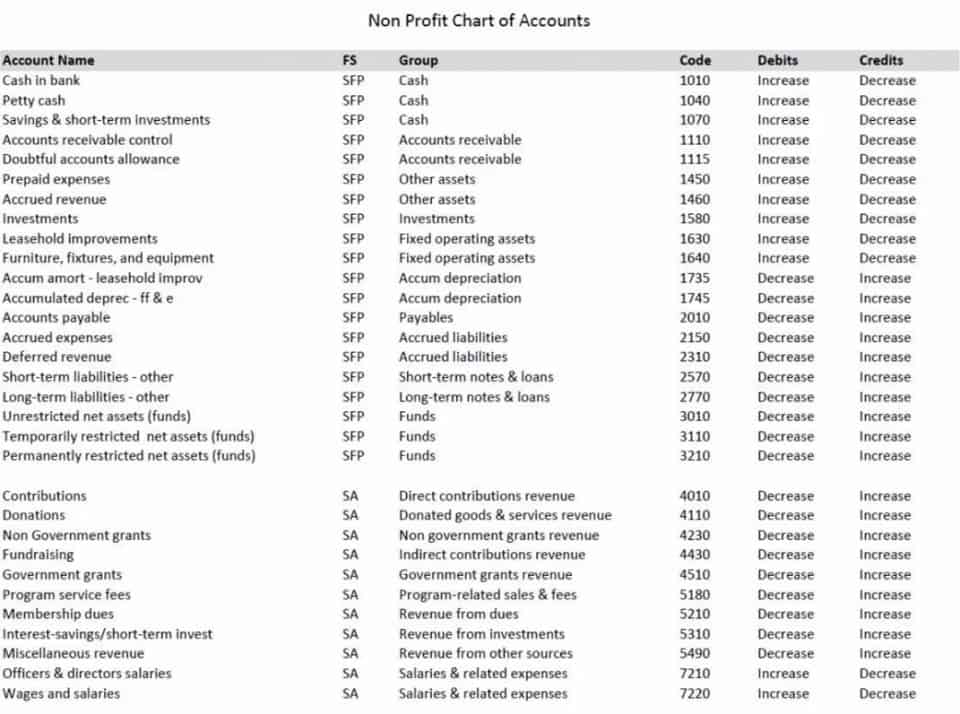
- Similar to other nonprofit organizations, churches must fund their mission while complying with a variety of record keeping requirements and laws.
- Selecting the right software is crucial for effective bookkeeping and accounting.
- For example, accurate bookkeeping gives accountants the information they need to identify patterns in cash flow, recommend cost-saving measures, and prepare for audits or tax filings on time.
- Bookkeeping is a transactional and administrative role that handles the day-to-day tasks of recording financial transactions, including purchases, receipts, sales and payments.
Accountants typically have more advanced expertise and qualifications, which enables them to provide valuable guidance on complex areas like tax planning and preparation. Bookkeepers need to be comfortable learning new technology, as nearly all bookkeeping is done using computerized accounting software and programs. This means they should be open to learning new systems and adapting to changing software. Accounting prepares financial statements that can be used to make defensible decisions. Some accounting firms also offer bookkeeping services, so you can manage all your financial needs in one place.
Our boutique approach transforms disorganized records into clear insights, helping you capture every deduction, optimize cash flow, and make confident decisions. Church bookkeeping is often employed by smaller organizations where a record of assets, liabilities and funds is not necessary when producing financial statements for internal readers/stakeholders. Another important aspect of bookkeeping is its emphasis on accuracy and attention to detail. Bookkeepers must ensure that all financial transactions are recorded correctly and that the financial records are free from errors.
Accounting is a comprehensive process that involves interpreting, analyzing, summarizing, and reporting a business’s financial transactions. It encompasses the preparation of accurate and concise financial statements that provide a detailed overview of a company’s financial activities within a specific accounting period. These statements, which include the income statement, statement of cash flows, and balance sheet, summarize a company’s financial position, operations, and cash flows. The primary goal of accounting is to consolidate financial information in a way that is understandable and easily interpretable by all stakeholders. Law Firm Accounts Receivable Management A key part of the accounting process is analyzing financial reports to help you make business decisions. The result is a better understanding of actual profitability and an awareness of cash flow in your business.
Bookkeeping is the process of recording and managing financial transactions, such as income and expenses, to ensure accurate financial records. Bookkeeping is often confused with accounting, but they are not the same thing. In fact, accounting is a higher-level function that builds upon the information provided by bookkeeping. Accounting involves analyzing and interpreting the financial data recorded by bookkeepers to make informed business decisions. Bookkeeping is the foundation of any business’s financial management, and it’s essential to understand its role.